
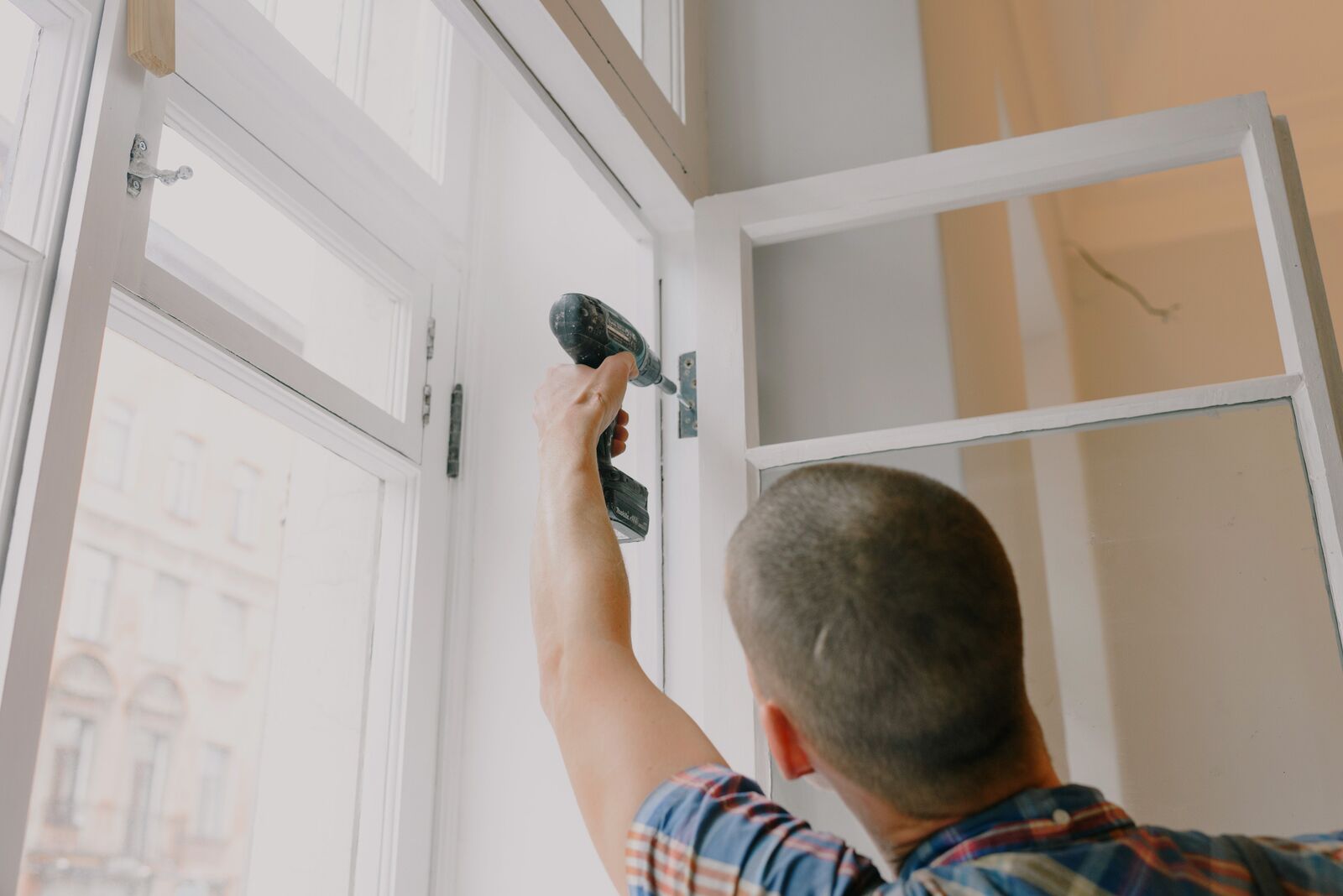
Tilt and turn windows in Torbay and Devon
Tilt and turn windows offer two opening modes in one moving section. Their inward movement needs careful planning, especially around blinds, furniture and upper-floor rooms.
Two opening modes with different purposes
In tilt mode, the opening section leans inward at the top to provide a smaller ventilation opening. In turn mode, it swings inward on side hinges for a wider opening. The handle operates the chosen mode through the window hardware. It is worth seeing the proposed product demonstrated so everyone using the room understands how the positions work.
County Windows already lists tilt and turn windows in its uPVC range. The style can be worth considering where inward access is useful, but it is not automatically the best arrangement for every opening. Start with the room layout and the size of the moving section. A window that is easy to operate in an empty showroom can be less convenient once it meets a desk, curtain or bedside cabinet.
Measure the room clearance as well as the opening
The inward swing is the main difference from an outward-opening casement. Check how far the section will project into the room and whether the handle or frame could touch furniture. Deep internal reveals, objects on the cill and a radiator below the opening can all influence the practical arrangement. Give the surveyor photographs that show the surrounding room, not just the glass.
Blinds and curtains need a compatible position. A blind mounted tightly inside the reveal may interrupt the opening movement; an alternative mounting position might be necessary. Do not order window coverings from rough measurements before the replacement layout is settled. In a compact room, consider whether a different division of fixed and opening glazing would keep access more comfortable.
Use ventilation mode without making safety assumptions
A tilted opening can provide ventilation without the full inward swing, but it should not be treated as a guarantee against entry or as a child-safety device. Ask what locks, restrictors and operating instructions apply to the proposed system. Follow the manufacturer’s advice on leaving a window open and check relevant requirements in your home insurance policy.
For bedrooms, upper floors and flats, explain who uses the room and any difficulty reaching the handle. Escape provisions and safe opening arrangements need assessment for the actual property. A wide turn opening on a drawing does not by itself confirm compliance. Equally, a replacement should not simply reproduce a restricted old opening without considering the requirements that apply to the new installation.
Discuss cleaning access and the glazing specification
Turning the section inward may make the outer face of that section more accessible from indoors. Whether this is useful depends on its size, weight, surrounding furniture and the chosen hardware. Fixed panes alongside it may still need separate access. Ask for a demonstration of the cleaning position and avoid leaning outside or releasing hardware without the supplied instructions.
Think separately about glass specification. County Windows’ existing range includes double, triple and acoustic glazing, but the suitable combination should be confirmed for the chosen window. Tell the surveyor about road noise, privacy needs or an exposed coastal position. New glazing is not a substitute for dealing with excess indoor moisture; ventilation and the way the room is heated remain relevant to surface condensation.
Define the project before comparing costs
Send the number of complete window openings, approximate sizes and photographs showing both sides. Note inward clearance, blind positions and the rooms involved. The existing replacement-window offering is for jobs from three windows upwards. A tilt and turn arrangement needs its own quotation; do not assume a general casement price applies to a different moving section and hardware system.
When the quotation arrives, check frame finish, glazing, opening direction, handle arrangement and included installation work. Removal, disposal, cills, access equipment and making good should be clear, as should VAT. Use typical UK guide figures only as background budgeting information. The survey and agreed specification establish the price for your project, rather than a photograph or an online per-window number.