
Last updated 24 November 2026
Choosing how each window opens matters as much as choosing the frame
This guide explains the vocabulary used when specifying replacement windows, so Devon homeowners can describe which panes open and which way. It complements our style pages for casement, sash and tilt-and-turn windows.
At a glance
- Why opening layout deserves thought
- Side-hung openings
- Top-hung and fixed panes
Why opening layout deserves thought
Replacing a window is a chance to correct anything that annoyed you about the old one. Perhaps a sash opens into a curtain, a handle is out of reach above the sink or a bedroom window opens the wrong way for the breeze. Getting the layout right at quotation stage avoids living with the same frustrations for years.
Each opening affects ventilation, cleaning, furniture placement and escape in an emergency. Walking around the house and noting what works and what does not is a useful exercise before any survey.
Side-hung openings
A side-hung casement is hinged on one vertical edge and swings outwards like a small door. It gives a large clear opening for fresh air and is common on bedrooms where an escape route is needed. Our casement windows page describes the style in more detail.
Think about which side the hinges should be on. A side-hung window opening against the prevailing wind can act as a scoop on breezy days; one opening the other way is more sheltered. On Torbay seafronts and exposed hillsides that choice can make the window more pleasant to use.
Top-hung and fixed panes
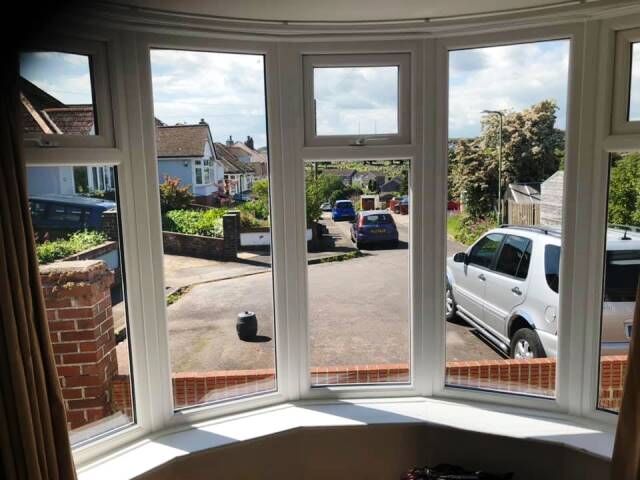
A top-hung opening is hinged along the top edge and tilts outwards from the bottom. It is good for ventilation when there is light rain because water tends to run off rather than into the room. Top-hung lights are often placed above a fixed pane in kitchens and lounges.
Fixed panes do not open. They give the slimmest sightlines and are useful where a view matters more than ventilation, or where an opening would be awkward to reach. Most rooms still need some opening area, so fixed panes are usually combined with at least one opening sash.
What handing means
Handing describes which side a side-hung window is hinged on. It is usually described when looking at the window from outside, but practice varies between suppliers. Because of that, it is wise to describe the hinge side in plain words and check it on the quotation.
A simple way to avoid confusion is to mark the hinge side on your photographs. Write something like hinge on the left when viewed from the garden. Clear notes prevent a window arriving that opens towards the wall or a neighbouring fence.
Tilt-and-turn and sash movements
Tilt-and-turn windows open inwards in two ways: tilting at the top for ventilation, or swinging fully inwards from the side. Our tilt and turn windows page explains when that suits upper floors and flats. Sash windows slide vertically, which keeps the opening flush with the frame.
Inward-opening windows need clear space inside the room, so consider window boards, plants and blinds. Sliding sashes avoid that issue but open a smaller area at any one time. Matching the movement to the room is more useful than picking one style for the whole house.
Escape windows and safety
Building regulations include guidance on escape windows for certain rooms, generally habitable rooms on upper floors in some house layouts. Approved Document B on GOV.UK sets out the general requirements, including that the opening is large enough and at a suitable height.
If your existing windows serve as escape routes, the replacements should still provide a suitable opening. Raise this at survey stage, especially for bedrooms and loft rooms. Restrictors on upper-floor windows can help with child safety while still allowing escape when released.
Cleaning and reaching the outside glass
How a window opens decides how easily you can clean the outside of the glass, which matters on upper floors. Inward-opening tilt-and-turn sashes can be cleaned from inside the room. Some side-hung casements can be fitted with hinges that allow the outer face to be reached from inside, so ask what is available.
Think about who will clean each window and how. A window above a conservatory roof or a steep drop on a Torbay hillside may be impossible to reach from outside, so an opening that brings the outer pane within reach can save hiring help or taking risks. Mention any hard-to-reach windows at survey.
Planning openings room by room
Make a list of each room with a note on how you use its windows. A kitchen may want an easy-reach top light; a bedroom may need an escape casement; a hallway may be happy with a fixed pane. Combine the list with the photographs you take when measuring for windows.
Share the list when you request a quotation. Our surveyor can then confirm that each layout works in practice and that the quotation describes every opening and its handing. That way the windows you receive behave the way you expected.
Sources and further reading
Discuss your home with County Windows
Explore our uPVC windows or request a quotation for your property. Explain your priorities and the condition of the existing openings so the survey can establish an appropriate specification.