
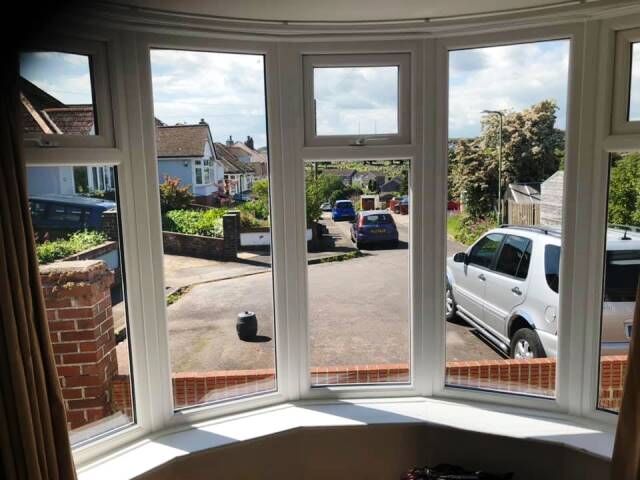
Compare the opening and specification, not only the frame material
Both materials are offered on the existing site. This is a decision guide, not a product ranking or a County Windows price list. Material-specific UK budgeting figures remain in the linked cost guides with their VAT and fitting scope.
Begin with what you want the windows to do
List your priorities before comparing materials. A period frontage may depend on proportions and opening style; a contemporary room may prioritise a broad view. Noise, privacy, ventilation and cleaning access can be just as important as appearance. Mark the needs of each room rather than assuming the same layout works everywhere. A small bathroom window and a wide living-room opening are different design decisions.
County Windows offers both uPVC and aluminium windows. Its uPVC range includes casement, sash and tilt-and-turn styles. Aluminium is presented as a slimmer-looking contemporary option. These are starting points for discussion, not proof that either material is right for every opening. Ask which actual system and arrangement would be supplied, and compare alternatives on a consistent opening schedule rather than two unrelated brochure photographs.
Frame appearance depends on the actual arrangement
Sightlines describe the visible frame sections around and between panes. Aluminium can offer slim sections, but the result depends on the system, dimensions and moving parts. A window with several opening sections will show a different pattern from a large fixed pane. Ask to see the proposed arrangement so you understand where frame lines will sit and how much of the opening will be glazed.
uPVC can suit traditional as well as straightforward modern layouts. Colour, woodgrain effects and decorative glazing can alter appearance, but should be specified rather than assumed. Look at the entire elevation and the relationship between neighbouring openings. For restricted or listed properties, establish what changes are acceptable before choosing. A frame with a traditional-looking finish does not automatically meet planning or listed-building requirements.
Use whole-window performance for a fair comparison
Thermal performance belongs to the complete window: frame, glass and the details joining them. A centre-pane value only describes part of the product. Modern aluminium systems use thermal breaks to reduce heat transfer through the metal. Ask for the quoted complete-window performance and glass specification for both materials, using the same dimensions and opening arrangement where possible.
Acoustic performance also depends on the complete specification, installation and ventilation routes. Do not assume a material change alone will resolve noise. Tell the surveyor where sound enters and how the room is used. More airtight windows still need appropriate ventilation, especially in kitchens, bedrooms and bathrooms. New glazing is not a guarantee against every cause of condensation or damp; heating, humidity and airflow remain part of the picture.
Consider operation, exposure and maintenance
Think about reach, swing clearance and the way you will clean the windows. Opening styles have practical differences that may matter more than frame material. Outward casements need clearance beside paths; inward movement needs room around curtains and furniture. Ask about appropriate safety and escape provisions for the room. Avoid choosing a large fixed section if it removes ventilation you rely on.
For homes close to the Devon coast, explain the exposure and request product-specific finish and hardware guidance. Coastal conditions and warranty exclusions can vary. Follow the manufacturer’s cleaning instructions rather than assuming either material needs no attention. Drainage paths, glass and moving hardware still form part of a working window. Ask how high-level windows can be accessed safely without climbing or improvising a cleaning route.
Compare installed costs on one schedule
Aluminium commonly carries a higher budget, but size, glazing, finish and access can change the comparison. Use the linked material-specific cost guides for third-party UK context; keep their fitting and VAT distinctions visible. Request alternatives for the same opening list and check removal, disposal, cills, trims and making good. A cheaper supply-only number is not a lower installed quotation.
County Windows’ existing window service begins at three windows. Send a room-by-room schedule and photographs, explaining the appearance and performance priorities. Ask what changes if you phase the work and whether matching finishes remain available. Final manufacturing measurements need a survey. The useful decision is the specification that suits your home and complete project scope, not a universal verdict that one frame material wins in every situation.
Sources and further reading
Discuss your home with County Windows
Explore our uPVC windows or request a quotation for your property. Explain your priorities and the condition of the existing openings so the survey can establish an appropriate specification.