
Last updated 26 November 2026
Protect the period look while improving comfort
Victorian and Edwardian houses were built with distinctive windows: tall sliding sashes, deep bays, slim glazing bars and decorative details. Replacing them carelessly can change the whole face of the house. This guide explains what made those windows special, how modern replacements can echo them, and which checks to make before ordering for an older property.
At a glance
- What defines period windows
- Sash-style replacements
- Getting bay windows right
What defines period windows
Victorian houses commonly have vertical sliding sash windows, often in canted bays on the ground floor and sometimes upstairs too. Early examples have several small panes divided by glazing bars, while later ones often have larger panes with a single bar or none. Edwardian houses kept the sash but frequently added a multi-paned top sash over a plain lower sash.
Proportion is what gives these windows their character. Narrow frames, slim meeting rails and the way the sashes sit in deep reveals all matter. A replacement that gets the proportions wrong can look heavy even if the style is technically correct, so it pays to study the original windows closely before choosing anything.
Sash-style replacements
Modern sash windows in uPVC can reproduce the sliding action and the look of timber sashes while needing far less upkeep. Details such as run-through horns, woodgrain finishes and slim meeting rails help them sit comfortably on period elevations. Our sash windows page explains the options we fit, and the sash versus casement guide compares the two styles.
Some homeowners choose casement windows designed to look like sashes, which can be simpler to operate and clean. Whether that suits your house depends on how visible the windows are and how close you want to stay to the original appearance. Looking at similar houses on your street shows what works in practice.
Getting bay windows right
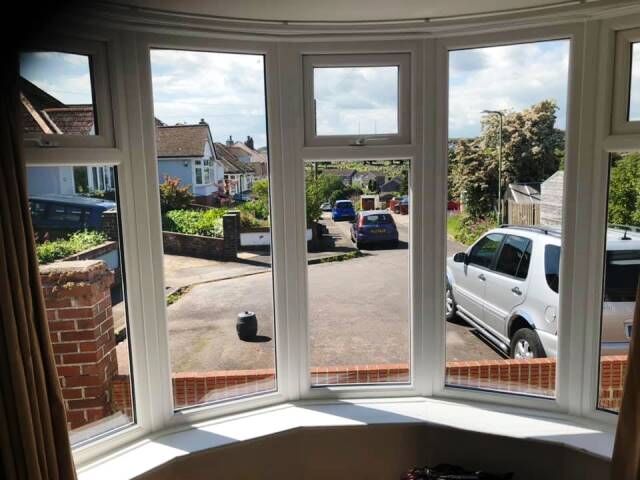
Bays are a defining feature of many Victorian and Edwardian homes, and they deserve careful attention. The angles of each section, the depth of the frames and the condition of the structure above all affect the job. In some older bays the window frames help support the roof or the masonry above, so this must be checked at the survey.
Our bay window replacement guide explains the process in detail. For period houses, think about matching the number of sashes in each section, keeping the original height of the meeting rails and choosing glazing bars that line up across the bay. Small consistencies make the finished bay look intended rather than altered.
Glazing bars, colours and glass
Glazing bars set the rhythm of a period window. If the originals had a particular pattern, try to keep it. Bars can be bonded to the glass or set within the unit, and they vary in width, so ask to see samples. Our guide to Georgian bars and decorative glass explains the choices and how they appear from inside and out.
Colour also shapes the result. White suits many Victorian terraces, while cream, heritage greens and woodgrain foils can feel closer to painted timber. Some period homes once had stained or etched glass in hallway windows or above doors; keeping or echoing these features retains character that plain glass cannot replace.
Planning and conservation checks
Replacing windows in a house is often permitted development, but there are important exceptions. Listed buildings need consent for most changes to windows. Many Victorian and Edwardian streets are in conservation areas, where an Article 4 direction may restrict changes to the front of the house, including window materials and styles.
Check with the council before you order if there is any doubt. Our guide to windows in listed buildings and conservation areas covers these rules in more depth. Getting the answer first avoids the cost and disruption of having to reverse work that was not allowed.
Comfort improvements to expect
Original single glazed sashes are often draughty and let heat escape, especially when the timber has worn or the sashes rattle in their frames. Double glazed replacements with good seals can make rooms noticeably more comfortable and quieter. Trickle vents or other ventilation help manage condensation in houses with solid walls.
Older houses can also have uneven openings, settled lintels and soft brickwork. Replacement frames are made to the measured size of each opening, and the survey should note any issues around them. Making good around reveals in older plaster may take a little more care, which is worth discussing before work begins.
Planning your project
Start by photographing each window from inside and out and noting any original features you want to keep. Decide whether the front, back and side elevations need the same approach, because many homeowners keep the most authentic look to the front and choose more practical styles elsewhere. Then arrange a survey to discuss the options.
A free survey lets us measure each opening, look at bays and reveals, and talk through sash-style and casement designs that suit your house. Our uPVC windows page and sash windows page show the ranges available. Bring any council guidance or conservation area notes with you so the specification fits the rules from the start.
Sources and further reading
Discuss your home with County Windows
Explore our uPVC windows or request a quotation for your property. Explain your priorities and the condition of the existing openings so the survey can establish an appropriate specification.