
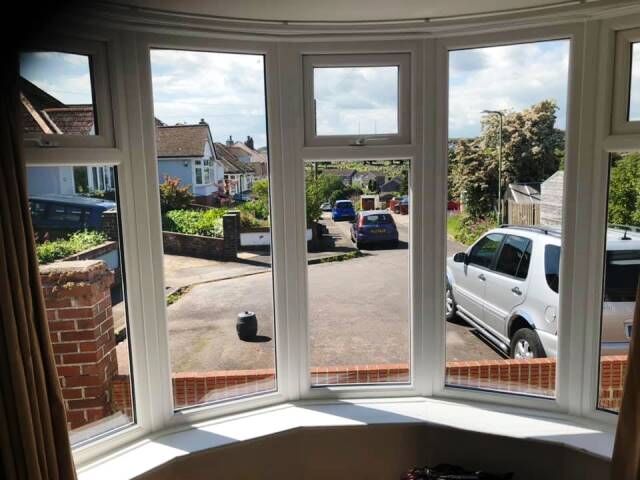
Last updated 24 November 2026
A little regular care keeps uPVC looking and working well
This guide gives general care advice for uPVC windows and doors. Always follow the manufacturer’s care instructions first, and raise any fault with your installer under the terms of your guarantee rather than attempting to dismantle parts.
At a glance
- Why care matters even for low-maintenance frames
- Cleaning frames safely
- Glass and sealed units
Why care matters even for low-maintenance frames
uPVC does not need painting, which is one of the reasons it is so popular. Low maintenance is not no maintenance, though. Dirt, grit and in coastal areas salt build up on frames, seals and moving parts. A simple routine keeps windows and doors opening smoothly and looking fresh.
Regular care also helps you notice early if something needs attention, such as a seal coming loose or a handle feeling stiff. Spotting those signs early is easier than dealing with them later. It takes only a few minutes per window and fits easily into normal household cleaning.
Cleaning frames safely
Warm water with a little mild washing-up liquid and a soft cloth is usually all that frames need. Rinse with clean water and dry. Avoid abrasive pads, scouring creams and solvents, which can dull or damage the surface.
For woodgrain-effect or coloured frames, check the manufacturer’s guidance, as some finishes have specific recommendations. Clean upper-floor frames from inside where the window design allows, and never overreach from a ladder.
Glass and sealed units
Clean glass with a soft cloth or squeegee and a suitable glass cleaner or diluted washing-up liquid. Do not use razor blades or abrasive products, which can scratch the surface or any coatings.
If you see condensation between the panes, the sealed unit may have failed. Our misted double glazing guide explains this, and replacement glass units may be an option where the frame is sound.
Seals, drainage slots and tracks
Rubber seals around opening sashes and doors keep out draughts and water. Wipe them clean and check they are seated in their grooves. If a seal is split or coming away, note it and raise it with whoever supplied the window.
Drainage slots at the bottom of the frame let water escape. Clear leaves and grit from them with a soft brush. Clean the tracks on doors and the rebates around opening sashes so grit does not wear the mechanisms.
Hinges, handles and locks
Moving parts benefit from occasional light lubrication, as recommended by the manufacturer, typically a light oil on hinges and locking points. Wipe off any excess so it does not attract dirt. Avoid heavy grease. Too much lubricant can drip onto frames and sills, so a little goes a long way.
If a handle becomes stiff or a lock will not engage, do not force it. Forcing can damage the mechanism. Contact your installer, especially if the product is still under guarantee.
Doors need extra attention
Doors are used many times a day, so their hardware works hardest. Check that the multi-point lock engages smoothly when you lift the handle and turn the key. Keep the threshold clean and free of grit.
Composite doors have a coloured-through skin that only needs an occasional wipe. Glass panels and letterplates can be cleaned the same way as windows. Our composite doors page has more on how they are made.
Trickle vents and ventilation
Many windows have trickle vents in the top of the frame. These provide steady background ventilation that helps control condensation. Keep them clear of dust by wiping or gently vacuuming, and leave them open in normal use rather than closing them to stop draughts.
Condensation on the inside of the glass on cold mornings is often a sign of moist indoor air rather than a fault with the window. Opening vents, using extractor fans and wiping the glass dry help. Persistent misting between the panes is different and suggests the sealed unit has failed.
What to keep a record of
Keep the paperwork that came with your windows and doors, including care instructions, guarantee documents and any compliance certificate. Note the installation date and installer. This information is useful if a question arises and when you sell the house.
A short log of cleaning dates and anything you noticed, such as a stiff hinge or a loose seal, helps when discussing an issue with your installer. It also shows whether a problem is new or developing gradually. Over a few years it becomes a simple history of the windows and doors, which is reassuring for you and useful for any future buyer.
A seasonal routine for Devon homes
A thorough clean in spring and autumn suits most homes, with extra rinsing for frames facing the sea in Torbay and along the coast. Autumn is a good time to clear leaves from drainage slots and check seals before winter weather.
Keep a note of when you clean and anything you spot. If you are thinking about replacing older windows, our signs your windows need replacing guide helps you decide when care alone is no longer enough.
Sources and further reading
Discuss your home with County Windows
Explore our uPVC windows or request a quotation for your property. Explain your priorities and the condition of the existing openings so the survey can establish an appropriate specification.